How to Human
A Guide to Escaping the Man Trap
Many men feel that something isn’t quite working — in their relationships, reactions, or sense of self — yet the advice available to them rarely resolves this tension.
Rather than asking how to become a better man, How to Human explores what changes when we begin to better understand our place in the world, our connection to others, and what it means to be human.
About the Book
Overview
Many conversations about masculinity focus on behaviour — what men should do differently, how they should communicate, or what kind of man they should become.
How to Human takes a different approach.
The book argues that many of the patterns men struggle with — conflict, defensiveness, disconnection, escalation, and cycles of harm — are not simply problems of behaviour, but problems of perception: the way situations are understood in the first place.
At the centre of the book is a simple framework: there are two ways of understanding any situation.
The individual perspective focuses on autonomy, choice, and personal responsibility.
The relational perspective brings into view connection, context, and the impact of actions within a wider system of relationships.
Both perspectives matter. But when they fall out of balance, men become trapped in repeating patterns that feel justified from the inside while still causing harm or disconnection.
How to Human explores how this pattern forms, why it persists, and what becomes possible when we learn to hold both perspectives at once.
This book is for young men, older men, and anyone trying to better understand themselves, others, and their place in the world.
The Man Trap
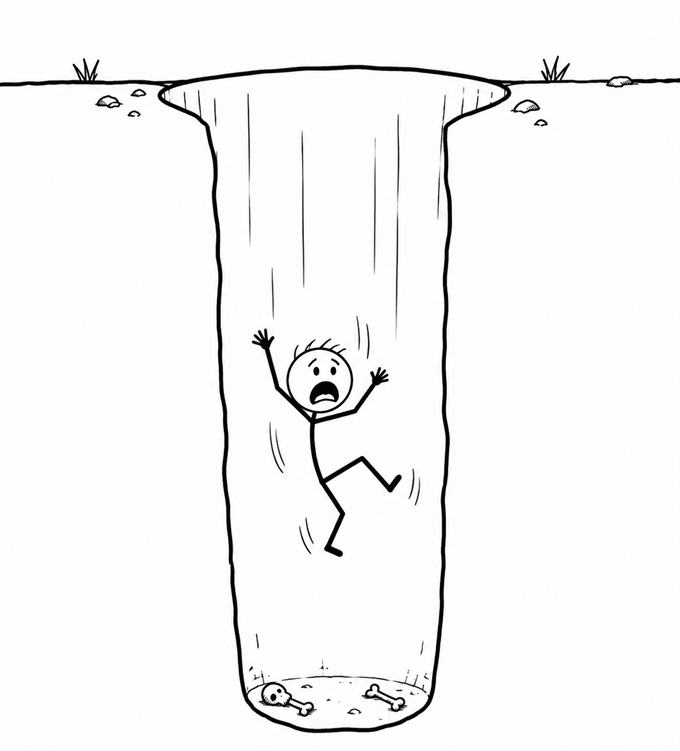
How to Human describes a self-reinforcing pattern called The Man Trap — the process through which men become locked into cycles of conflict, defensiveness, disconnection, and other unhelpful patterns of behaviour.
When men rely too heavily on an individual way of understanding the world, important aspects of connection, context, and impact can drop out of view.
From inside this pattern, reactions feel logical and justified. Yet the same conflicts, frustrations, and disconnections continue repeating.
The book explores how this pattern shapes:
relationships
anger and escalation
defensiveness
social disconnection
identity
conflict
responsibility
masculinity
And how greater awareness creates space for different responses.
Buy the Book
Availabe in paperback and ebook on Amazon
Further Reading
These essays expand on ideas connected to How to Human — exploring masculinity, relationships, perception, behaviour, and social connection in greater depth.
Some pieces are more reflective and conceptual than the book itself, offering space to explore the broader questions surrounding the project.
The essays may be of particular interest to readers working in areas such as education, mental health, primary prevention, and social change.
About the Author

David Digapony works in the not-for-profit sector, where his work has focused on program design, social impact, and complex social issues.
Over time, he developed a particular interest in masculinity, relationships, and the deeper patterns that shape how people relate to others, responsibility, and themselves.
How to Human emerged from years of thinking about why change can feel so difficult — not just socially, but personally — and what becomes possible when people learn to better understand themselves, others, and their place in the world.
He lives in Australia.
Stay Connected
Sign up for occasional updaes, new essays, and future writing